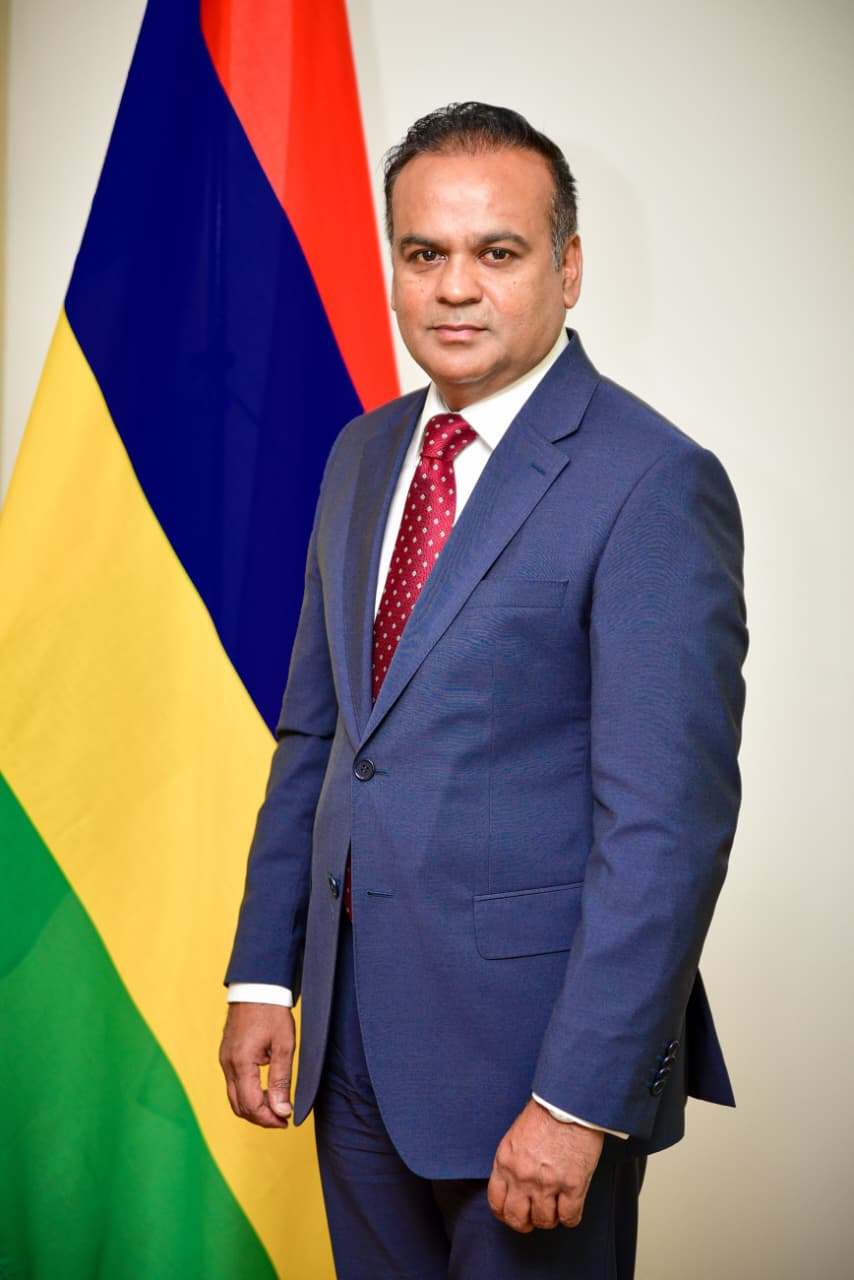
The Island, the Honorary Consulate and the Honorary Consul
Mauritius keeps a presence in Hong Kong so that its citizens have somewhere to turn and its partners have somewhere to start.
About Mauritius
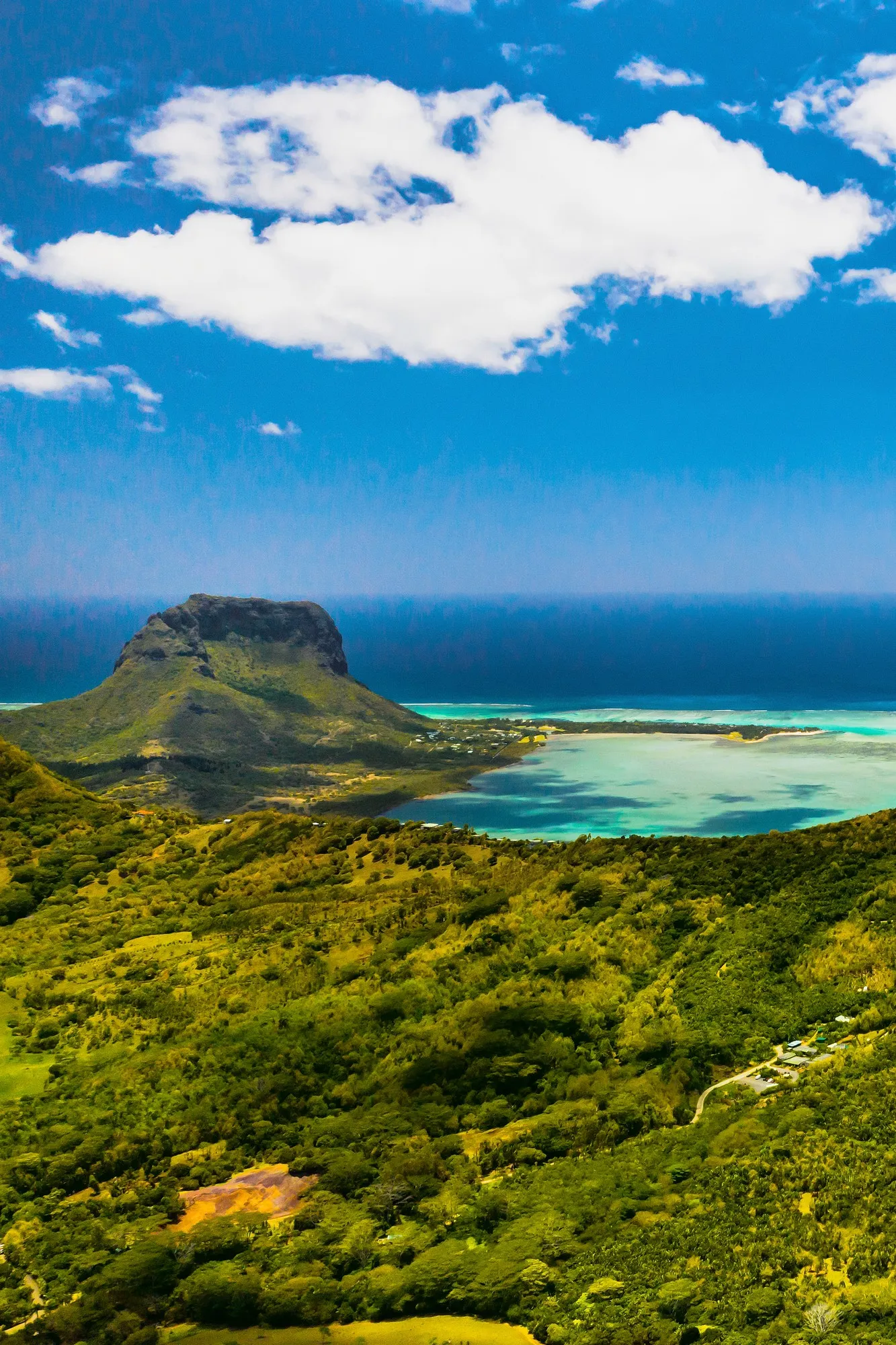
HistoryMauritius is one of the most beautiful islands in the world. Mark Twain famously wrote about Mauritius in his 1897 travel book “Following the Equator”: it was said that “Mauritius was made first, and then heaven; and that heaven was copied after Mauritius.”
Arabs: In or around the 10th century, Mauritius was first visited and mapped by Arab traders and seafarers, who named the uninhabited island “Dina Arobi”. That name appeared on early maps.
Portuguese: In the 16th century, Portuguese sailors frequented the island on their way to Macao and other Portuguese territories in the Far East. It was the Portuguese who brought the crab-eating macaque monkeys to Mauritius.
Dutch: In 1598, the Dutch arrived and claimed the island. They named the island after Prince Maurice of Nassau of the Dutch Republic. A Dutch colony was established on the island in 1638. Mauritius was an important stop between Cape Town and the Dutch East Indies (present day Indonesia). The Dutch heavily exploited the island’s dense ebony forests and introduced sugar cane and Javanese deer to Mauritius. It was during the Dutch period that the famous Dodo bird became extinct. The Dutch settlement never developed enough to produce dividends and the Dutch abandoned Mauritius in 1710.
French: In 1715, French colonial rule began in Mauritius. The French renamed the island “Isle de France” and it was populated by French Settlers, especially from Brittany including Saint-Malo. Many Franco-Mauritians can trace their lineage back to the early settlers. It was during the French colonial period that Mauritius developed significantly, especially under the leadership of Governor Bertrand-François Mahé, comte de La Bourdonnais, and the island became an important French colony. The colony’s economy was built around the sugar cane industry, which remained as the mainstay of the economy until the 1980s. To support the sugarcane industry, the French dramatically scaled up the slave trade, importing vast numbers of enslaved people from Madagascar and East African coastal regions like Mozambique and Zanzibar. Today, French culture and language still permeate throughout Mauritius.
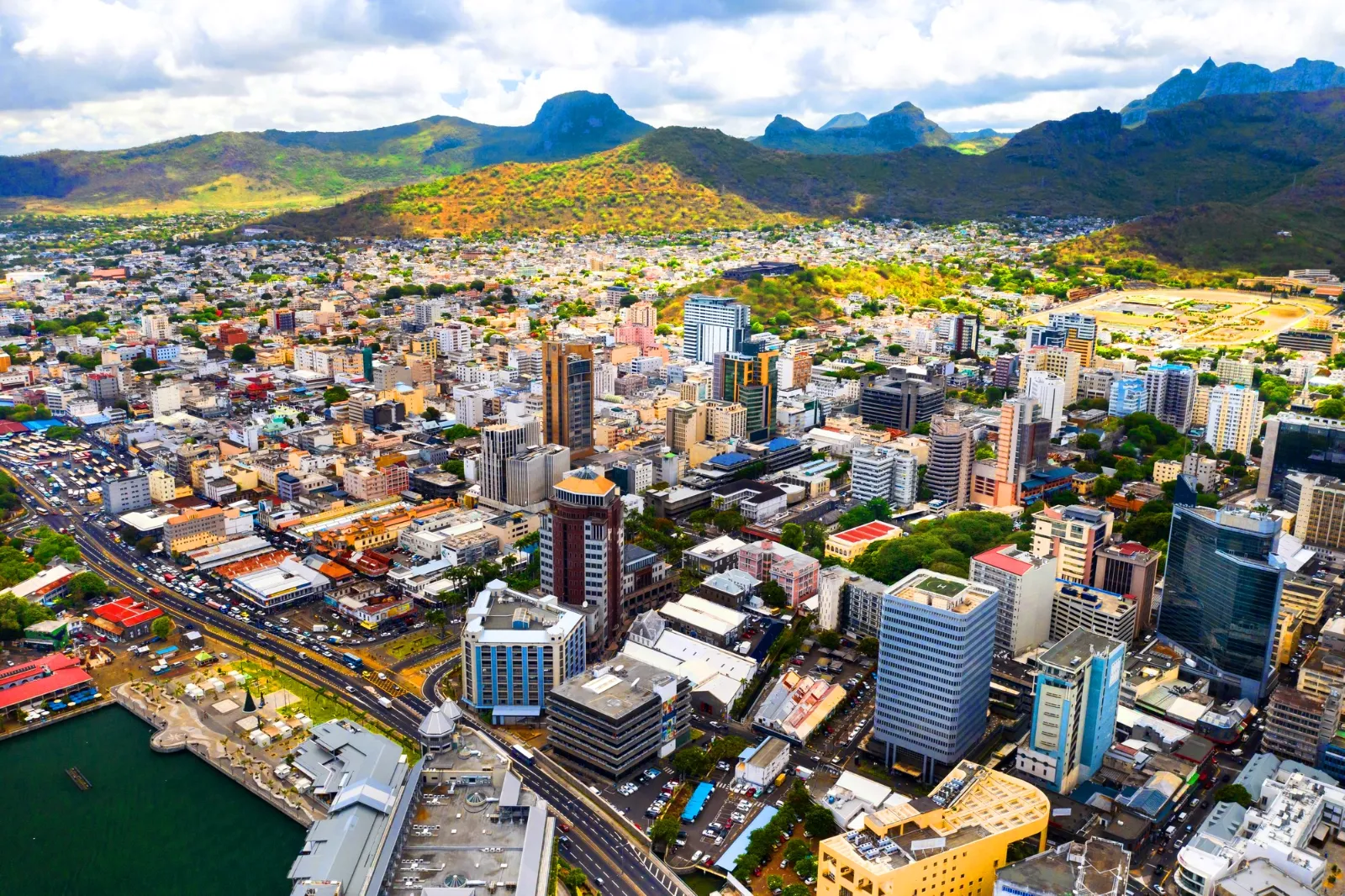
British: In 1810, at the height of the Napoleonic Wars, Great Britain conquered the island, and its name reverted to “Mauritius”. One of the first British initiatives was to establish the Mauritius Turf Club in 1812 in any effort to foster unity between the French settlers and the British and ensure social peace and harmony after years of fighting in the Indian Ocean. The Mauritius Turf Club inaugurated the Champ de Mars Racecourse in Port Louis Mauritius, which is the oldest horse racing course in the Southern Hemisphere and second oldest in the world. Champ de Mars Racecourse is the home course of Jockey Karis Teetan, who continues to have an illustrious career at the Hong Kong Jockey Club.
On 1 February 1835, slavery was officially abolished in Mauritius, making it the last place in the British Empire to do so. With the end of slavery, indentured labourers from India were brought to work in the sugar cane fields. Between 1834 and 1921, around half a million indentured labourers came to Mauritius. Today, Mauritians of Indian heritage comprise the majority of the population and they have long moved from their agrarian roots to hold positions of power and influence throughout the nation. It was also during the British colonial period that Chinese became a significant part of the Mauritius’s population, with most Chinese Mauritians being Hakka people whose grandparents emigrated from Meixian in the north of Guangdong province.
During the British colonial period, the best governor is widely considered to have been Sir John Pope Hennessy. After his tenure as Governor of Hong Kong was over in 1882, Hennessy went on to become the 15th Governor of Mauritius from 1883 to 1889. Hennessy reduced the powers of the British officials, appointing Mauritians to positions of responsibility and proposing a new constitution based on the principle “Mauritius for Mauritians”. Like in Hong Kong where Hennessy Road is a prominent thoroughfare, Pope Hennessy Street runs down the centre of Port Louis.
Independence: On 12 March 1968, the British colonial period ended, and Mauritius achieved independence after 158 years of British rule. Sir Seewoosagur Ramgoolam became the first Prime Minister of Mauritius, and he declared independence at a flag raising ceremony in the Champ de Mars Racecourse. Sir Seewoosagur Ramgoolam is widely recognised as the nation’s founding father and his son, Navin Ramgoolam, is the current Prime Minister of Mauritius. Sir Seewoosagur Ramgoolam later served Governor-General, a position which he held until his death in 1985.
Republic: On 12 March 1992, Mauritius ceased to be a monarchy and became a republic within the Commonwealth. The legal system of Mauritius is a mix of both French and English law, and the Judicial Committee of the Privy Council in London is still the still of final appeal for Mauritius.
Culture
Mauritius is a cosmopolitan nation seamlessly blending several cultures. Co-existence among Mauritians of Indian, African, European and Chinese ancestry has led to a sharing of cultures and values, a collective participation in festivals and increased understanding between people of different backgrounds. The diversity and plurality are expressed through various ways such as literature, dance, music, local crafts, religion, inter-marriage and tradition. Hindus, Christians (predominantly Roman Catholics) and Muslims live peacefully side-by-side. Mauritius is a unique melting pot and a model nation for peaceful co-existence between diverse cultures.
Economy
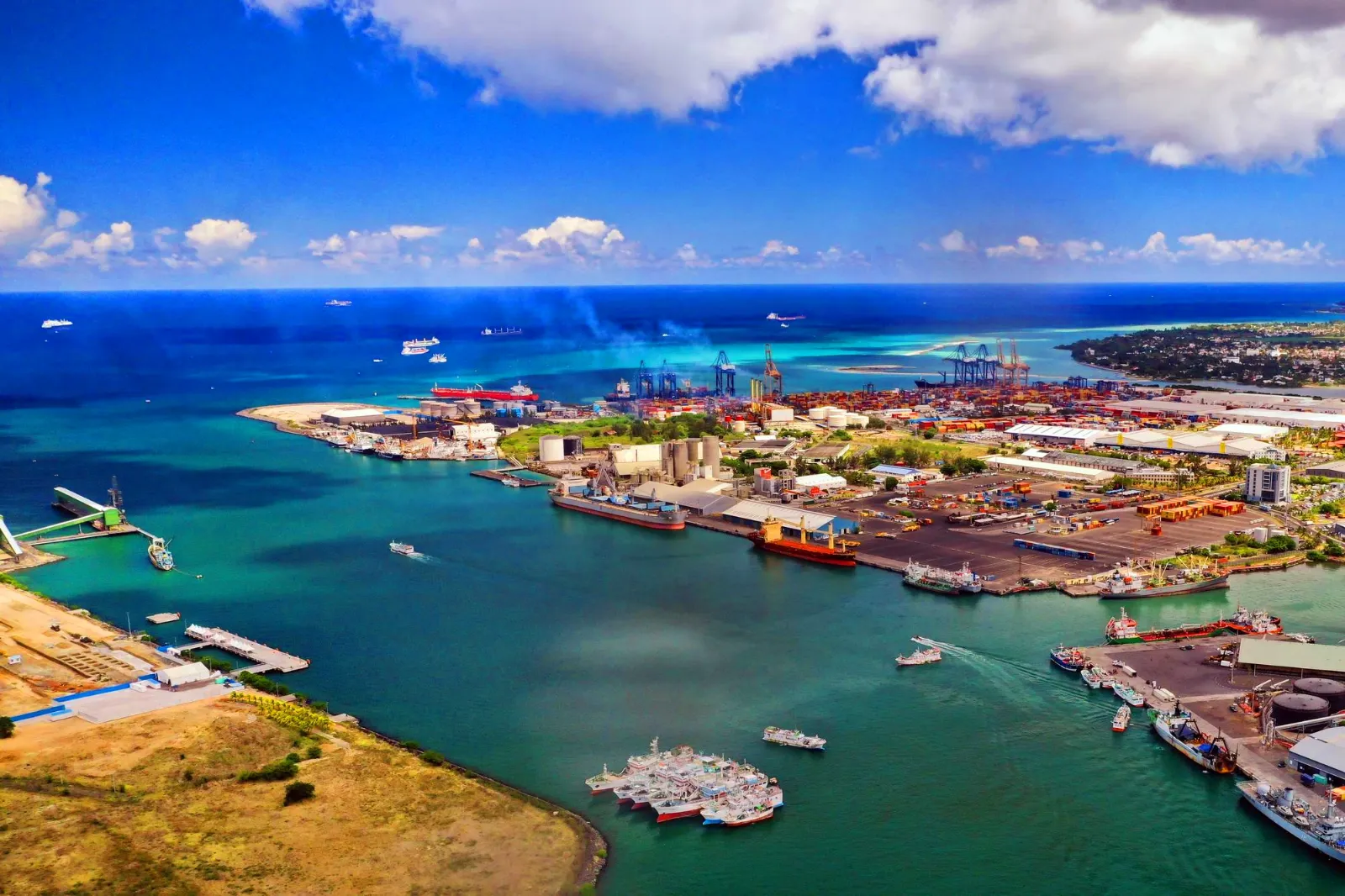
Mauritius has a robust diversified economy and the second highest GDP per capita in Africa. It is rated as the 9th freest economy in the world and has also been consistently recognised as one of the top 15 jurisdictions in the world for ease of doing business, ahead of all its regional competitors. Although the sugar cane industry is still an important part of Mauritius’s economy, today nearly 80% of the nation’s GDP comes from the service sector. Mauritius is a popular tourist destination and flourishing financial hub for private banking, investment banking, insurance and re-insurance, protected cell companies and more.
Mauritius in Figures
Spread across Mauritius, Rodrigues and the outer islands, with about 150,000 people living in the capital Port Louis.
Independence on 12 March 1968 after 158 years of British rule and 95 years of French rule. Mauritius has been a republic within the Commonwealth since 1992.
Approximately twice the total land area of the Hong Kong SAR, ringed by one of the world’s largest coral reefs.
English in government and law, French in business and media, Creole in daily life.
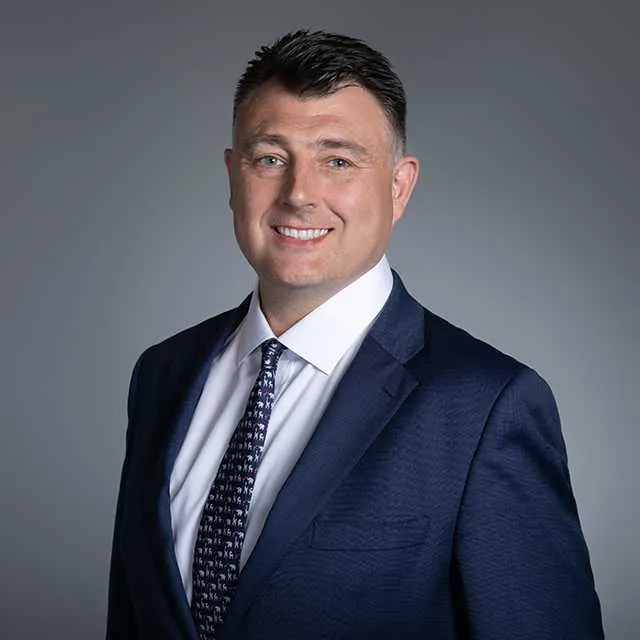
James Wood
Honorary ConsulMr James Todd Wood is a practising barrister based in Hong Kong. He practises at a Commercial and Chancery Bars and most his work is cross-border in nature. He is consistently ranked as a leading barrister in Chambers & Partners and Legal 500.
James is a longstanding resident of both Hong Kong and Mauritius. He has practised law in Hong Kong for 30 years. He has had the honour of witnessing and participated in the phenomenal growth of the People’s Republic of China and the Republic of Mauritius.
He is a member of the Hong Kong Club and the Mont Choisy Golf Club in Mauritius.